Haunted House SVG: A Comprehensive Guide to 3D Paper Crafts and Decorative Alternatives
In the realm of DIY Halloween decor, the Haunted House SVG file has emerged as a versatile resource for crafters seeking to move beyond flat wall art. This digital template facilitates the construction of a detailed, three-dimensional mansion that serves multiple functions: a festive luminary, a unique gift container, or a standalone centerpiece. Unlike standard cut files designed for single-layer vinyl decals, this specific design requires precision cutting and assembly to create a volumetric structure. The resulting object measures approximately 7.4 inches by 6.7 inches by 6.8 inches, offering a substantial presence on any mantel or entryway table.
Distinguishing Features of the Haunted House Design
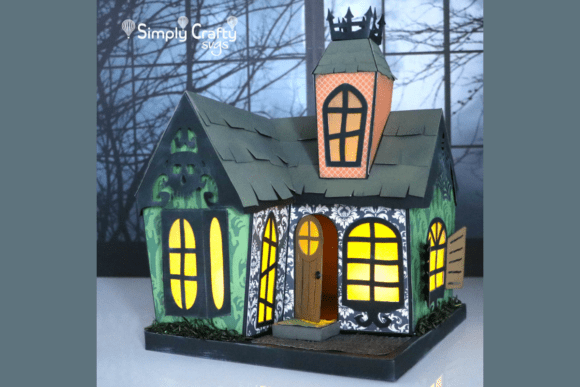
The primary distinction of this particular Haunted House SVG lies in its architectural complexity and functional duality. The design incorporates classic Victorian-era details, such as dormer windows and pitched rooflines, which are rendered in paper form. However, the true innovation is found in the integration of light. The file includes specific patterns for vellum-covered window cutouts. When these translucent panels are adhered to the cardstock frame and paired with battery-operated tea lights or LED strings, the house transforms from a static model into an eerie, glowing beacon.
This approach differs significantly from pre-made plastic decorations. While store-bought luminaries often lack character, a paper-crafted version allows for complete customization. The lid lifts off conveniently, providing easy access for placing light sources inside or utilizing the hollow interior as a hidden storage spot for Halloween treats. This "hidden storage" capability adds a layer of utility that purely decorative items do not possess. Furthermore, the safety profile is strictly defined; the design is engineered exclusively for use with flameless LED lighting, eliminating fire hazards associated with traditional candles while maintaining the desired atmospheric glow.
Material Requirements and Assembly Complexity
Constructing the haunted house requires specific material inputs that differ from simpler crafting projects. To achieve the finished dimensions and structural integrity, the project typically demands seven 12″ x 12″ cardstock sheets for the main body, roof structure, vase elements, and windows. Additionally, two sheets are allocated specifically for roof panels, one for side and back panels, and another for dormer details. This multi-sheet requirement indicates a higher level of engagement compared to single-cut designs.
Assembly is facilitated by step-by-step video tutorials included with many versions of the file, which helps mitigate the learning curve for beginners. The process involves precise folding and gluing to ensure the 3D structure holds its shape. While the inclusion of instructional media makes the task accessible, it does require patience and attention to detail. The final product relies heavily on the quality of the cardstock used; thinner papers may warp under the weight of the roof or fail to hold the tension required for the 3D form, whereas heavier cardstock ensures durability but may be more difficult to score and fold accurately.
Evaluating the Haunted House SVG Against Other Options
When considering how to decorate a home for Halloween, homeowners generally face a choice between purchasing mass-produced items, creating flat wall art, or engaging in complex 3D construction. The Haunted House SVG occupies a middle ground in this spectrum, offering more depth than flat art without the permanence or cost of large-scale physical props.
Comparison with Flat Wall Art and Vinyl Decals
Flat SVG files designed for vinyl cutting are excellent for quick, low-cost decoration of glass doors or walls. They offer immediate visual impact but lack the spatial dimension of the haunted house model. A flat decal cannot cast shadows or emit light from within. In contrast, the 3D house creates a dynamic environment where light interacts with the paper texture. If the goal is a temporary, surface-level accent, a flat design is more efficient. However, if the objective is to create a focal point that changes appearance when illuminated, the 3D SVG is superior.
Comparison with Pre-Made Plastic Luminaries
Pre-made plastic luminaries are durable and ready for immediate use. They are ideal for individuals who prioritize convenience over creativity. However, they often suffer from generic aesthetics and limited color palettes. The Haunted House SVG offers a customizable palette that allows users to shift the "vibe" entirely. By swapping cardstock colors, a crafter can transform the structure from a classic derelict mansion with dark grays and browns to a whimsical "candy house" featuring pastels and bright hues. This adaptability makes the paper craft a better long-term investment for those who wish to change their decor theme annually without buying new products.
Decision Factors: When to Choose the 3D Model
Selecting the right tool for your Halloween display depends on several variables, including time availability, skill level, and desired aesthetic. The Haunted House SVG is the right choice for crafters who enjoy the tactile experience of building and want a unique item that cannot be found in big-box stores. It is particularly well-suited for those who have children or grandchildren, as the assembly process can serve as a collaborative family activity guided by video tutorials.
Conversely, there are scenarios where this specific design may not be the optimal solution. Individuals with limited time or those who prefer instant gratification might find the multi-sheet assembly process daunting. Similarly, if the display area is outdoors or exposed to wind and moisture, paper-based structures are unsuitable regardless of the design's elegance. In such cases, weather-resistant alternatives like inflatable decorations or heavy-duty resin statues would be more appropriate.
Tradeoffs and Limitations
Every crafting method involves tradeoffs. The primary advantage of the Haunted House SVG is customization, but this comes at the cost of time and effort. The user must source the correct materials, cut the pieces (which requires a machine like Cricut or Silhouette), and assemble the structure. There is also a limitation regarding longevity; unlike plastic or metal, paper is susceptible to damage from handling, dust, and humidity. Therefore, this project is best reserved for indoor displays or protected porch areas.
Another consideration is the lighting component. The design relies on internal illumination to reach its full potential. Without the addition of battery-operated lights, the house remains a simple geometric shape. This dependency means that the total cost includes not just the cardstock and digital file, but also the purchase of compatible lighting solutions. However, this requirement is easily met by the widespread availability of affordable LED tea lights.
Maximizing the Potential of the Project
To get the most out of the Haunted House SVG, users should consider the environmental context of their display. Placing the house near other light sources or reflective surfaces can amplify the eerie glow emitted through the vellum windows. The ability to swap cardstock colors also opens up opportunities for thematic consistency. For instance, matching the house color to the surrounding wreath or table runner can create a cohesive look that elevates the overall presentation.
The "hidden storage" feature mentioned in the design specifications is often overlooked but highly practical. The lift-off lid allows the house to function as a secure container for small gifts, party favors, or seasonal trinkets. This dual functionality extends the utility of the object beyond the holiday season, allowing it to serve as a decorative box year-round if the lighting element is removed.
In conclusion, the Haunted House SVG represents a sophisticated option for Halloween enthusiasts who value craftsmanship and personalization. It bridges the gap between simple cutouts and expensive props by offering a manageable yet impressive 3D structure. While it requires more resources than flat designs, the reward is a customizable, glowing centerpiece that stands apart from generic store-bought decorations. For those willing to invest the time in assembly, it provides a rewarding creative outlet and a unique addition to any festive display.