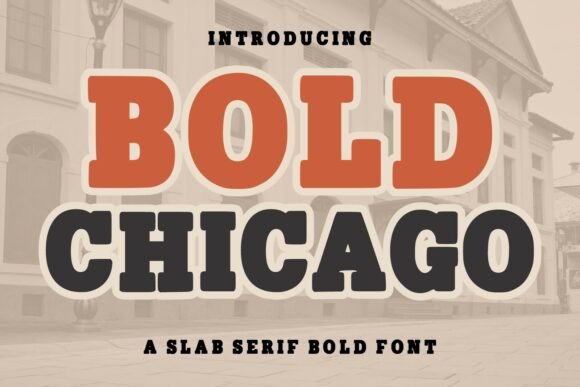
Capturing the Spirit of Retro America with Bold Chicago
In an era where digital design often leans towards minimalism and invisible interfaces, there remains a profound desire for typefaces that command attention. Designers and brand strategists frequently search for fonts that bridge the gap between modern clarity and historical character. Bold Chicago stands out as a premier solution in this landscape. It is not merely a collection of letters; it is a visual representation of strength, heritage, and American industrial history. By leveraging strong slab serif forms and bold strokes, this typeface delivers a confident look that resonates deeply with audiences seeking authenticity.
The resurgence of vintage aesthetics has transformed how businesses approach their visual identity. Consumers are increasingly drawn to brands that feel grounded, established, and human. This psychological shift has elevated the status of display typography that mimics the signage found on Main Street USA from decades past. Bold Chicago captures this essence perfectly. Its clean structure ensures that while the font feels nostalgic, it does not suffer from the legibility issues often associated with overly ornate historical scripts. Instead, it offers high readability paired with a stylish vintage character, making it a versatile tool for contemporary projects.
The Architecture of a Display Typeface
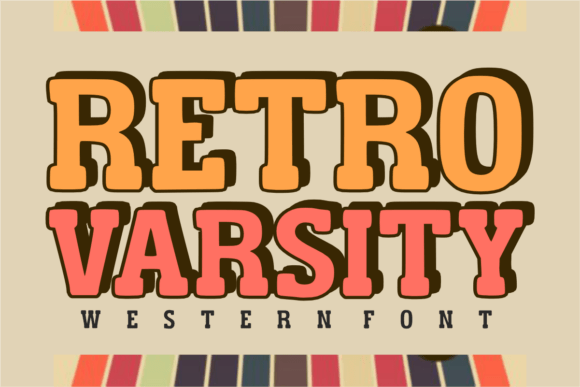
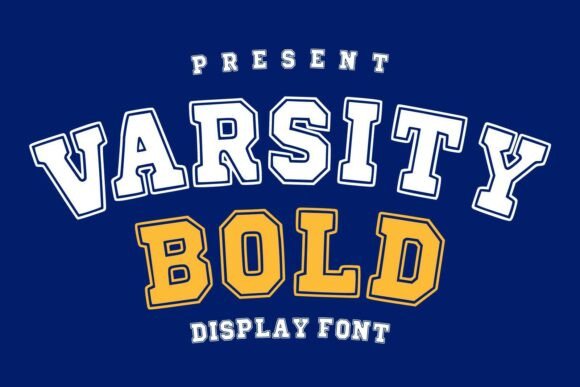
To understand why Bold Chicago is so effective, one must analyze its structural DNA. The font is built upon the foundation of slab serifs, a classification of type characterized by thick, block-like serifs attached to the main strokes of the letters. Unlike traditional serifs which taper elegantly, slab serifs maintain a uniform weight, creating a sense of stability and solidity. In the case of Bold Chicago, these forms are exaggerated to create a powerful presence.
- Geometric Precision: Despite its retro appearance, the letterforms are constructed with geometric precision. This ensures that when scaled up for massive billboards or down for mobile screens, the integrity of the design remains intact.
- High Contrast Stroke Width: The variation between the thickest and thinnest parts of the letters creates a dynamic rhythm. This contrast draws the eye and adds a layer of sophistication that flat, sans-serif fonts often lack.
- Open Apertures: The openings within letters like 'e', 'a', and 'c' are designed to be wide and open. This feature significantly aids in readability, especially at smaller sizes or when viewed from a distance.
This architectural approach allows the font to function effectively across various mediums. Whether used in a high-end editorial layout or a rugged packaging design, the underlying structure supports the intended message without compromising clarity. The font's ability to maintain its "bold presence" makes it an ideal choice for headlines where the goal is to stop the scroll or catch the passerby's eye instantly.
Historical Context and Modern Adaptation
The inspiration behind Bold Chicago traces back to the golden age of American advertising, specifically the late 19th and early 20th centuries. During this period, commerce was booming, and businesses relied heavily on physical signage to attract customers. These signs were often painted directly onto buildings or carved into wood, necessitating bold, simple, and durable letterforms. They had to survive harsh weather conditions and remain visible from afar.
Modern designers have adapted these historical principles to fit the digital age. Bold Chicago retains the soul of those original signs but refines them with the technical capabilities of today. The result is a typeface that feels timeless yet fresh. It avoids the pitfalls of being "dated" because it focuses on fundamental design principles rather than fleeting trends. This adaptability is crucial for educators and researchers who need to present historical data with authority, or for hobbyists looking to create authentic-looking crafts and projects.
Strategic Applications in Branding and Media
The utility of Bold Chicago extends far beyond simple text decoration. Its specific characteristics make it a strategic asset in several key areas of professional design and communication. When used correctly, the font can elevate a project from ordinary to exceptional, infusing it with a sense of prestige and reliability.
Logo Design and Identity Systems
For business owners and branding agencies, the logo is the cornerstone of identity. A logo needs to be memorable, scalable, and capable of conveying the company's values instantly. Bold Chicago is exceptionally well-suited for this purpose. Its strong, slab-serif forms suggest stability and trustworthiness—qualities highly desirable in industries such as finance, law, construction, and manufacturing. Furthermore, the retro aesthetic appeals to brands that want to emphasize craftsmanship, tradition, or artisanal quality, such as craft breweries, coffee roasters, and boutique clothing lines.
Packaging and Product Labeling
In the retail sector, shelf space is competitive. Products must stand out immediately. Packaging designs utilizing Bold Chicago benefit from the font's high impact. The bold strokes ensure that product names and key selling points are readable even in dimly lit stores or on crowded shelves. The vintage character adds a layer of perceived value, suggesting that the product inside is handcrafted or made with premium ingredients. This psychological cue can be the deciding factor for consumers choosing between competing products.
Editorial and Print Media
Magazines, newspapers, and books often struggle with balancing modern content with engaging visuals. Editors use Bold Chicago to create striking drop caps, pull quotes, and section headers. The font's clean structure prevents the text from becoming cluttered, while its stylistic flair adds personality to the page. For example, a travel magazine might use this typeface to evoke the spirit of road trips and classic Americana, while a financial publication might use it to underscore the gravity of economic reports.
Posters and Event Marketing
Event posters require a hierarchy of information that guides the viewer through the details quickly. Bold Chicago excels here due to its excellent legibility and strong visual weight. Concert flyers, movie posters, and festival announcements often rely on large, impactful typography to generate excitement. The font's ability to convey energy and confidence makes it a favorite among creative directors in the entertainment industry. It transforms a simple announcement into a piece of art that people want to keep or photograph.
Implementation Guidelines for Diverse Users
While the potential of Bold Chicago is vast, successful implementation requires an understanding of context and pairing. Different users—from professional graphic designers to amateur hobbyists—approach typography with varying levels of expertise. The following guidelines outline how to maximize the effectiveness of this typeface across different skill levels and project types.
- Pairing Strategies: One of the most common mistakes is using two display fonts together. To achieve a balanced composition, pair Bold Chicago with a neutral, highly legible body font. Sans-serif fonts like Helvetica or a clean grotesque work well to provide contrast, allowing the slab serif headline to shine without competing for attention. Alternatively, a delicate script font can be used sparingly to add elegance, creating a sophisticated juxtaposition of styles.
- Spacing and Kerning: Because Bold Chicago features heavy strokes, tight kerning (spacing between characters) can cause the letters to visually merge, reducing readability. Professionals should allow for slightly wider spacing than they would with thinner fonts. This breathing room enhances the majestic quality of the typeface and ensures that each letter form is appreciated individually.
- Color Selection: The impact of the font is also dependent on color. High-contrast combinations, such as black text on a cream background or white text on a deep navy, emphasize the vintage feel. However, vibrant colors can also be used to create a pop-art effect, appealing to a younger demographic while maintaining the structural integrity of the letters.
- Contextual Relevance: Educators and researchers should consider the audience before selecting this font. If the goal is to present serious academic data, it should be used only for titles or emphasis, not for body text. Conversely, for a project aimed at engaging a general audience about history or culture, the font serves as an excellent narrative device to set the tone.
Hobbyists working on DIY projects, such as custom t-shirts, home decor, or scrapbooking, will find Bold Chicago particularly forgiving. Its robust forms tolerate slight imperfections in printing or cutting better than finer, more delicate typefaces. This makes it an accessible choice for those experimenting with design without access to professional-grade equipment.
Evaluating the Impact on User Experience
In the realm of web design and user experience (UX), the role of typography is critical. Fonts do not just convey words; they convey emotion and influence behavior. Bold Chicago introduces a specific emotional trigger: nostalgia mixed with confidence. When a user lands on a website featuring this typeface, they subconsciously associate the brand with reliability and a lack of pretension.
This association is vital for building trust. In a digital environment saturated with sleek, impersonal corporate designs, a touch of vintage charm can differentiate a brand. It signals that the creators behind the product care about aesthetics and detail. However, overuse can lead to fatigue. The key is moderation. Using Bold Chicago for navigation bars or call-to-action buttons can drive conversions, but using it for long-form reading content will hinder comprehension.
Furthermore, the font's scalability is a major advantage for responsive design. As screen sizes vary from desktop monitors to smartphone displays, Bold Chicago maintains its distinct character. It does not lose its definition when shrunk, nor does it look awkward when enlarged. This consistency is essential for maintaining brand recognition across all platforms, ensuring that a customer sees the same "personality" whether they are viewing a billboard or a thumbnail image.
Trends and Future Outlook
As we move further into the future of design, the pendulum continues to swing between hyper-modernism and retro revival. The current trend favors "modern vintage," where historical aesthetics are updated with contemporary sensibilities. Bold Chicago sits perfectly at this intersection. It honors the past while functioning flawlessly in a digital-first world. This duality suggests that the font will remain relevant for years to come, serving as a staple in the toolkit of designers who wish to create work that endures.
For businesses and creators looking to stay ahead of the curve, incorporating Bold Chicago into their visual language is a strategic move. It aligns with the growing consumer preference for authenticity and storytelling. By adopting a typeface that carries the weight of history, organizations can communicate a message of longevity and trust. Whether used for a startup aiming to establish credibility or a legacy brand seeking to reconnect with its roots, Bold Chicago provides the visual vocabulary necessary to tell that story effectively.
In conclusion, the power of Bold Chicago lies in its ability to be both a statement and a service. It announces itself loudly enough to be heard, yet reads clearly enough to be understood. From the boardroom to the classroom, from the packaging aisle to the digital screen, this typeface offers a unique blend of style and substance. It reminds us that good design is not just about following rules, but about evoking feelings and connecting with people through the universal language of typography.