Choosing the Right Retro Varsity Font for Your Design Projects
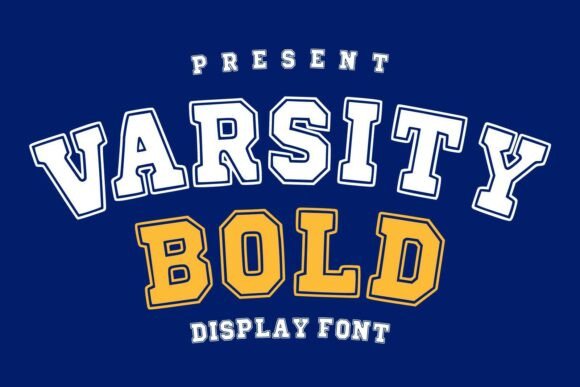
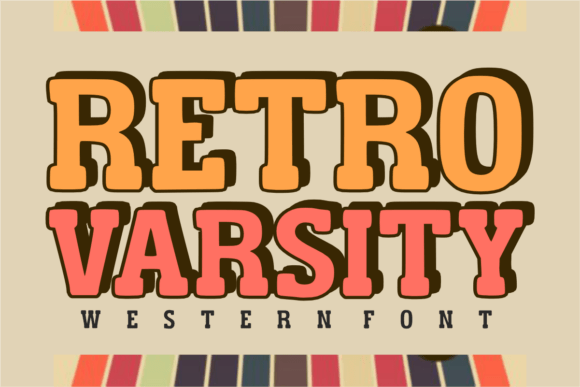
In the evolving landscape of digital and print design, selecting a typeface that effectively communicates heritage and energy is a critical decision. Retro Varsity has emerged as a significant option for professionals and hobbyists alike who seek to capture the essence of collegiate sports and 70s vintage aesthetics without relying on generic stock solutions. This premium display font distinguishes itself through a bold, rounded-slab anatomy and a distinctive built-in shadow effect, creating an immediate visual impact that resonates with audiences familiar with classic American campus culture.
When evaluating typography for a specific project, the choice often comes down to balancing readability with stylistic flair. Unlike standard serif or sans-serif fonts that prioritize neutrality, Retro Varsity is designed to be the focal point. It strikes a deliberate balance between playful charm and authoritative presence. The smooth curves soften the edges of the letterforms, while the chunky outlines provide the weight necessary for headlines, logos, and large-scale graphics. For designers tasked with evoking feelings of teamwork, nostalgia, and timeless style, this font offers a specialized tool that goes beyond simple text rendering.
Understanding the Distinct Anatomy of Retro Varsity
The primary differentiator of Retro Varsity lies in its structural composition. Traditional slab serifs are known for their blocky, rigid appearance, but Retro Varsity introduces a rounded quality that prevents the design from feeling too harsh or industrial. This rounded-slab anatomy allows the letters to feel more approachable and friendly, which is essential when targeting younger demographics or creating content for lifestyle brands.
A unique feature of this typeface is the integrated shadow effect. In many traditional font workflows, achieving a drop-shadow or 3D effect requires additional graphic manipulation software or complex layering techniques. With Retro Varsity, the shadow is built directly into the glyph design. This not only streamlines the production process but also ensures consistency across various media. Whether used in a high-resolution print banner or a small mobile app icon, the depth and dimension remain uniform, saving valuable time during the design phase.
This construction makes it particularly suitable for applications where speed and visual punch are paramount. However, the heavy styling does come with tradeoffs. The font is optimized for display purposes rather than body copy. Attempting to use Retro Varsity for long-form text would result in poor readability due to the density of the strokes and the complexity of the shadows. Therefore, understanding the intended scale of application is the first step in deciding if this font fits your needs.
Evaluating Fit: When to Use Retro Varsity Versus Alternatives
Selecting the right font often involves comparing it against broader categories of design resources. While there are numerous retro-style fonts available, few offer the specific combination of collegiate imagery and modern vector optimization found in Retro Varsity. To make an informed decision, it is helpful to look at how this font performs in different contexts compared to other approaches.
- For Brand Identity and Logos: If a brand wants to project a sense of established history or athletic excellence, Retro Varsity is an excellent candidate. Its bold nature ensures legibility even at smaller sizes, provided it is used as a logo mark rather than a full sentence. In contrast, more delicate script fonts or thin sans-serifs might fail to convey the same level of strength and stability required for sports-related branding.
- For Event Marketing and Merchandise: The font's "clean cutting" capability makes it a top choice for DIY crafters and screen printers. When creating t-shirts, tote bags, or event signage, the thick outlines and solid fills minimize the risk of ink bleeding or loss of detail. Standard decorative fonts with intricate details often struggle in these physical formats, leading to lower quality prints. Retro Varsity simplifies this workflow by maintaining clarity through the printing process.
- For Digital Interfaces: While powerful for headers, the font may not integrate seamlessly into user interface (UI) design unless used sparingly. Modern web design trends often favor clean, minimal interfaces where text should recede into the background. In such scenarios, a neutral system font is preferable. Retro Varsity shines when the goal is to create a temporary campaign, a landing page hero section, or a promotional banner where capturing attention instantly is the priority.
It is important to note that while Retro Varsity captures the 70s aesthetic, it does so through a lens of modern scalability. Older vintage fonts sometimes suffer from pixelation or lack of character support when scaled up for large format printing. Because Retro Varsity is designed with contemporary standards in mind, it handles resizing better than many historical recreations, making it a safer bet for projects that require versatility across different output mediums.
Tradeoffs and Limitations to Consider
No single typeface is universally applicable, and Retro Varsity is no exception. One of the primary limitations is its specificity. The strong thematic identity means it can easily clash with designs that aim for a futuristic, corporate, or minimalist vibe. If a project requires a tone that is understated or sophisticated in a subtle way, the boldness of Retro Varsity might overwhelm the content.
Furthermore, the built-in shadow, while convenient, limits customization. Designers who prefer to control every aspect of the lighting and shadow depth in their final renderings might find the pre-applied effect restrictive. In such cases, a font with a neutral outline would allow for more creative freedom in post-production. Additionally, the rounded nature of the letters, while charming, may not suit industries that rely on sharp, angular geometry to communicate precision, such as engineering or high-tech manufacturing.
Practical Decision Factors for Designers
When evaluating whether to incorporate Retro Varsity into a workflow, several practical factors should guide the decision. First, consider the target audience. Adults aged 20 to 50 often have a nostalgic connection to the styles of the past, but they also appreciate high-quality execution. A poorly executed retro font can look dated in a negative way, whereas a well-crafted one like Retro Varsity feels curated and intentional.
Second, assess the technical requirements of the project. Is the output going to be a digital screen, a large-format billboard, or a cut vinyl decal? The font's optimization for clean cutting suggests it is particularly robust for physical applications. If the project involves laser cutting or die-cutting, the thick lines and simplified shapes reduce material waste and mechanical errors.
Finally, think about the longevity of the design. Trends in typography shift rapidly, but collegiate and varsity styles have remained staples in American design for decades. By choosing a font that leans into this enduring aesthetic, designers can create work that feels both current and timeless. However, this does not mean the design will never age; it simply means the foundation is built on a style that has proven its staying power over generations.
Conclusion on Selection Strategy
Determining the right typography is rarely about finding the "best" font in isolation; it is about finding the best fit for the specific constraints and goals of the project. Retro Varsity offers a compelling solution for those seeking to blend the authority of sports culture with the warmth of vintage design. Its unique blend of rounded slabs and integrated shadows provides a distinct advantage in terms of efficiency and visual impact.
For professionals looking to elevate their projects with a touch of heritage, or DIY enthusiasts needing reliable assets for crafting, this font serves as a versatile resource. However, it is most effective when applied with an understanding of its strengths and limitations. By reserving it for headlines, logos, and display text where its personality can shine, designers can leverage its full potential without compromising the overall integrity of their work. Whether you are building a brand around teamwork or simply adding a splash of nostalgic flair to a creative piece, Retro Varsity provides a solid foundation for success.