Charles: Elevate Your Visual Identity with Bold Typography
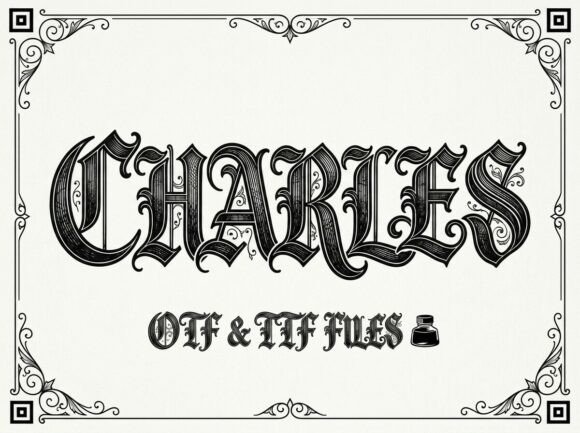
In a digital landscape saturated with generic templates and standard typefaces, capturing attention requires more than just good content; it demands a visual hook that stops the scroll. This is where Charles steps in as a transformative tool for creators who refuse to blend into the background. As a stunning decorative display font, Charles is engineered to be the center of attention, offering unique artistic elements and a strong visual personality that instantly elevates any project from ordinary to exceptional.
For professionals, entrepreneurs, and marketers, the choice of typography is rarely just an aesthetic decision; it is a strategic one. The right font can communicate authority, creativity, or luxury before a single word is read. Charles provides this high-impact communication by maintaining a professional and polished finish while breaking away from the mundane. Whether you are designing bold headlines for a marketing campaign, crafting an artistic logo for a new brand, or creating creative packaging for a physical product, this typeface offers the versatility needed to support your vision without sacrificing quality.
The Strategic Value of Distinctive Typography
Why does a specific font like Charles matter to your work? In the world of design, clarity and character often walk hand in hand. Standard fonts ensure readability, but they rarely evoke emotion. Charles bridges this gap by providing a typeface that commands respect and admiration. Its unique structure allows it to function as a piece of art in itself, making every letter a focal point rather than just a vehicle for text.
Consider the scenario of a small business owner launching a premium skincare line. The packaging needs to convey elegance and trustworthiness immediately. Using a standard sans-serif might look clean, but it lacks the "wow" factor required on crowded retail shelves. By integrating Charles for the product name and key slogans, the packaging gains a distinctive silhouette that stands out against competitors. The result is a stronger first impression that can directly influence consumer perception and purchasing decisions.
This level of visual impact extends beyond physical goods. For bloggers and educators, headers are the signposts that guide readers through long-form content. A standard header might be ignored, but a headline set in Charles acts as a visual anchor, drawing the eye and signaling that the following content is significant. This simple shift can improve engagement rates by encouraging users to pause and read further.
Technical Flexibility and Professional Standards
One of the most practical advantages of choosing Charles is the comprehensive file package included with the purchase. Designers often face compatibility issues when switching between different software platforms or devices. To eliminate this friction, the font comes with two essential formats: the OTF (OpenType Font) and the TTF (TrueType Font).
The OTF file represents the professional standard for advanced design and layout software such as Adobe Illustrator, InDesign, and Photoshop. It supports complex kerning pairs and advanced typographic features, ensuring that your designs remain crisp and precise even at large scales. This is crucial for print projects where resolution matters, such as business cards, brochures, and large-format banners.
Conversely, the TTF file ensures universal compatibility across all devices and operating systems. If you are working on web projects, mobile apps, or sharing files with clients who use older versions of design software, the TTF format guarantees that your typography will render correctly without missing characters or broken layouts. Having both options means you are prepared for any workflow, saving time on troubleshooting and allowing you to focus entirely on the creative process.
Maximizing Impact Through Intentional Usage
To get the most out of Charles, it is vital to understand its intended application. This font is specifically designed for high-impact headlines, logos, and decorative initials. It excels in situations where brevity and power are paramount. Because the letters are stylized and artistic, they carry a heavy visual weight that can dominate a composition if used incorrectly.
Imagine a freelancer creating a portfolio website. They need to showcase their expertise quickly. Instead of using a paragraph of text to introduce themselves, they could use Charles to create a massive, striking monogram or a short tagline that defines their brand identity. This approach simplifies the user experience by reducing cognitive load; the visitor understands the vibe of the brand instantly. Similarly, for event organizers, a poster featuring an event title in Charles can generate excitement and urgency simply through its presence.
However, effective design also requires knowing what not to do. The strength of Charles lies in its ability to stand alone. It is not designed for body text or long paragraphs. Trying to force this decorative style into extended reading material would overwhelm the reader and obscure the message. The goal is to use Charles to highlight the most important information, letting other, simpler fonts handle the detailed explanations. This contrast creates a hierarchy that guides the viewer's eye naturally through the content.
Understanding the All-Caps Constraint
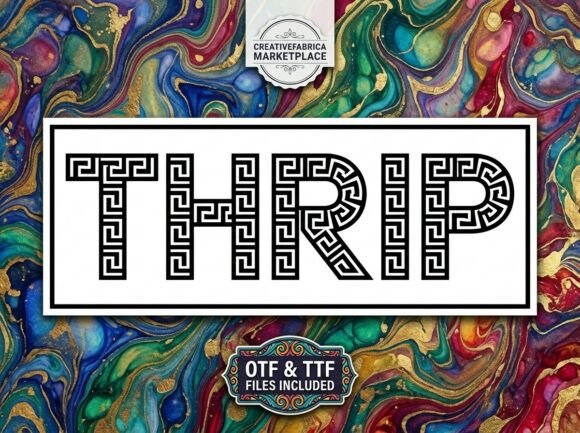
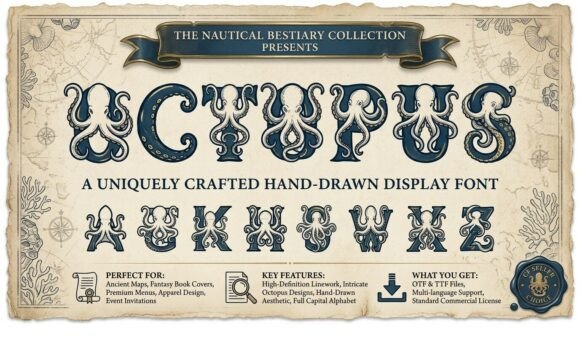
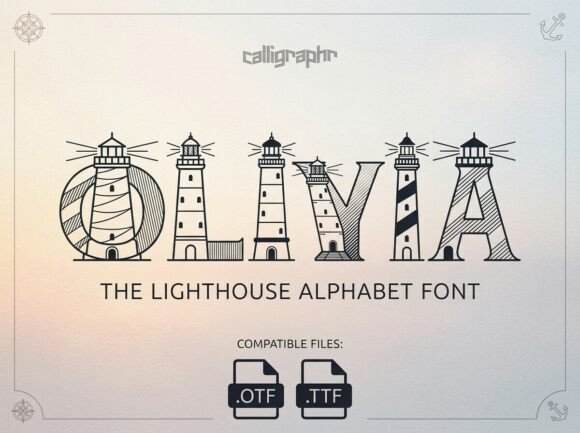
A critical detail to note before integrating Charles into your projects is its uppercase-only nature. This font is an ALL-CAPS Uppercase Only display typeface. It does not include lowercase letters. While this limitation might initially seem restrictive, it is actually a deliberate design feature that enhances the font's utility for specific purposes.
By restricting the character set to uppercase, the designer has ensured that every letter maintains a consistent height and visual weight. This uniformity creates a solid block of color and texture that is ideal for logos and titles. When every letter is a work of art, mixing case styles can disrupt the rhythm and balance of the design. The absence of lowercase forces the creator to be concise and intentional with their wording, often resulting in punchier, more memorable copy.
For users accustomed to standard typing habits, this may require a slight adjustment in workflow. You will need to manually convert your text to uppercase or rely on your design software's transformation tools. However, this constraint ultimately serves the end goal of creating a polished, high-end look. It prevents the accidental misuse of the font for casual text, ensuring that Charles remains reserved for moments that truly demand its unique personality.
Who Benefits Most from This Typeface?
The versatility of Charles makes it suitable for a wide range of professionals, but it is particularly valuable for those in creative industries. Entrepreneurs looking to build a memorable brand identity will find that Charles helps establish a distinct voice in a crowded market. Marketers can leverage its boldness to create ad creatives that cut through the noise of social media feeds.
Publishers and book designers might use Charles for chapter headings or cover titles, adding a touch of sophistication to literary works. Even hobbyists and DIY enthusiasts can benefit, perhaps using the font for custom t-shirts, handmade signage, or personalized gifts. The key is recognizing that Charles is a tool for emphasis. It is the difference between a statement and a whisper.
Ultimately, the value of Charles lies in its ability to solve the problem of visual blandness. It offers a path forward for creators who feel stuck using the same default fonts as everyone else. By investing in a typeface with such a strong visual personality, you are investing in the perceived quality of your work. When your visuals speak with confidence and style, your audience is more likely to listen, engage, and take action.
As you explore ways to improve your presentations, strengthen your communication, or simplify your design decisions, consider how a dedicated display font like Charles can serve as the foundation of your visual strategy. It is not merely a collection of letters; it is a design element that brings energy, professionalism, and a touch of artistry to everything you create.