Thrip: Elevate Your Creative Projects with a Decorative Display Font
When you are working on a layout that needs to stop the scroll or command attention on a physical shelf, standard typefaces often fall short. You need something with presence, a distinct artistic element that refuses to blend into the background. This is where Thrip steps in. Designed specifically as a decorative display font, it serves as the perfect centerpiece for any project requiring a high-end, professional aesthetic without sacrificing personality.
Unlike generic serif or sans serif options that prioritize neutrality, Thrip brings a strong character to the table. It is built for creators who want to break away from the ordinary and inject their work with a sense of bold sophistication. Whether you are crafting a brand identity, designing packaging, or setting up a digital campaign, this typeface offers the visual weight necessary to make your message unforgettable.
Defining the Visual Personality of Thrip
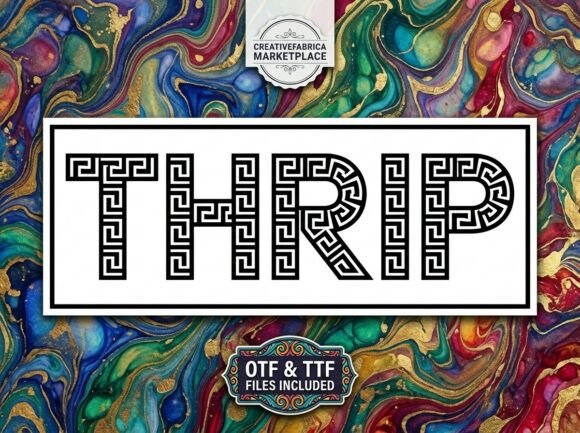
The core appeal of Thrip lies in its unique structural balance. It is not merely a collection of letters; it is a curated set of artistic elements designed to function as a statement. As an all-caps display typeface, it possesses a commanding presence that feels both modern and timeless. The strokes are crafted with precision, ensuring that every curve and angle contributes to a cohesive, polished look.
Because it lacks lowercase letters by design, Thrip forces a specific kind of typographic discipline. This constraint is actually a strength. When used correctly, the uniformity of uppercase characters creates a rhythm that is inherently stable and authoritative. It eliminates the visual noise often found in mixed-case text, allowing the form of each letter to shine. This makes it an exceptional choice for logos, titles, and decorative initials where immediate recognition is key.
The font's style bridges the gap between traditional elegance and contemporary edge. It avoids the overly ornate details of script fonts or the rigid stiffness of some geometric sans serifs. Instead, it offers a refined texture that adds depth to flat designs. When paired with ample negative space, Thrip can transform a simple headline into a piece of art, elevating the perceived value of the entire composition.
Where Thrip Delivers Maximum Impact
The versatility of a premium font like Thrip extends across numerous mediums, but it truly excels in areas where visual hierarchy is paramount. In the world of branding, it provides the backbone for a memorable logo. A logo needs to be scalable and distinctive; Thrip delivers both. Its strong character ensures that even at small sizes or when embossed on business cards, the brand remains legible and impactful.
For editorial and publishing projects, Thrip acts as a powerful tool for section headers and pull quotes. It breaks the monotony of body text and guides the reader's eye through the content. In packaging design, where products compete for seconds of attention on a crowded shelf, the high-contrast nature of Thrip helps a product stand out. The font's ability to convey luxury and professionalism makes it ideal for cosmetics, spirits, fashion labels, and artisanal goods.
Digital environments also benefit significantly from this typeface. On social media graphics, bold headlines are essential for stopping users from scrolling past. Thrip cuts through the visual clutter of feeds with its distinct shape. Similarly, in web design, using Thrip for hero sections or navigation menus can establish a sophisticated tone immediately upon landing. It pairs well with clean, minimal interfaces, providing just enough personality to keep the design from feeling sterile.
Strategic Applications and Design Considerations
Choosing the right typeface is about more than aesthetics; it is about communication strategy. Thrip influences brand perception by signaling confidence and attention to detail. When a user encounters a design featuring Thrip, they subconsciously associate the brand with quality and exclusivity. This psychological impact is crucial for businesses aiming to position themselves as leaders in their niche.
However, because Thrip is a display font, it requires thoughtful application. It is not intended for long-form body copy. The best practice is to use it sparingly to create contrast. Think of it as the spice in a recipe; a little goes a long way. For body text, pair Thrip with a highly readable sans serif or a classic serif font. This combination allows the decorative nature of Thrip to take center stage while maintaining overall readability and flow.
Evaluating project fit is essential before committing to a license. Ask yourself: Does this project require a focal point? Is the goal to create a mood rather than just convey information? If the answer is yes, Thrip is likely a strong candidate. Test the font against your existing color palette and imagery. Its distinct lines may interact differently with complex backgrounds or vibrant colors, so previewing the design in context is vital.
Technical Specifications and Workflow Integration
One of the most practical advantages of Thrip is its comprehensive file support. The package includes both OTF (OpenType) and TTF (TrueType) files, ensuring seamless performance regardless of your operating system or software environment. The OTF file is particularly valuable for professionals using advanced design software like Adobe InDesign or Illustrator. These files unlock OpenType features that allow for precise control over ligatures, kerning, and stylistic alternates, giving you greater flexibility in fine-tuning your typography.
The TTF file ensures broad compatibility, making it easy to share assets with clients or colleagues who might be using different hardware or older versions of design tools. This dual-format approach removes technical friction, allowing you to focus on creativity rather than troubleshooting file errors. Whether you are working on a large-scale print run or a quick social media post, the font adapts to your workflow efficiently.
When reviewing included styles, remember that Thrip is strictly an all-caps typeface. This limitation should be viewed as a creative opportunity rather than a drawback. It encourages designers to think creatively about spacing, scale, and arrangement. By treating the text as a graphic element, you can achieve layouts that feel custom-made and intentional. Avoid trying to force the font into roles it was not designed for, such as paragraph text, and instead leverage its strengths in headlines and branding elements.
In conclusion, Thrip is more than just a font; it is a design asset that empowers creators to elevate their visual storytelling. From bold headlines to creative branding and packaging, it delivers a professional aesthetic that resonates with audiences. By understanding its unique characteristics and applying it with strategic intent, you can create work that stands out in a saturated market. For designers, entrepreneurs, and marketers looking to add a touch of distinguished flair to their projects, Thrip offers the perfect balance of style and substance.