Cody: The Bold Display Font for High-Impact Branding
In a digital landscape saturated with generic sans serif fonts and predictable layouts, standing out requires more than just good content; it demands a visual voice that refuses to be ignored. Enter Cody, a stunning decorative display font designed specifically to be the center of attention. This isn't a typeface you use for your body copy or legal disclaimers. It is an artistic statement, a tool for creators who are ready to break away from the ordinary and inject their projects with undeniable personality.
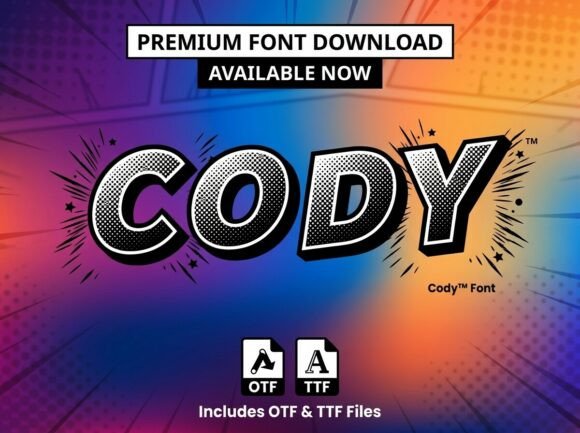
The visual character of Cody is defined by its unique artistic elements and strong presence. Every curve and angle feels deliberate, transforming simple text into a work of art. Whether you are designing a logo for a boutique brand, crafting packaging for a new product line, or setting headlines for a high-end editorial spread, this font offers a polished finish that elevates the perceived value of your design. It strikes a delicate balance between wild creativity and professional execution, ensuring that your message is not only seen but remembered.
Where Cody Shines in Real-World Design Projects
Understanding where to deploy a premium font like Cody is crucial for maintaining visual hierarchy and audience engagement. Because it is an uppercase-only display typeface, its strength lies in short, impactful bursts rather than long-form reading. Think of it as the exclamation point of your typography toolkit.
In the realm of logo design, Cody serves as a powerful anchor. Brands that need to convey confidence, luxury, or edginess will find immediate success using Cody for their primary mark. The all-caps structure ensures uniformity and weight, making it ideal for creating memorable brand identities that stick in the consumer's mind. For entrepreneurs and small business owners, this means a logo that looks expensive and established without needing complex graphic overlays.
Moving beyond logos, the applications expand into packaging design and marketing materials. Imagine a craft beer label, a cosmetic bottle, or a limited-edition book cover. In these contexts, Cody acts as the hero element, drawing the eye immediately to the product name. Its decorative nature adds a layer of texture and depth that flat colors or standard fonts simply cannot achieve. Similarly, in web design and social media graphics, using Cody for hero headlines can dramatically increase click-through rates by stopping the scroll.
For publishers and bloggers, the font offers a fresh alternative to the overused modern typography trends. While a script font might feel too flowery or a handwritten font too casual for certain niches, Cody provides a structured yet artistic middle ground. It works exceptionally well for editorial headers, chapter titles, and pull quotes where you want to emphasize authority and style simultaneously.
Building Visual Hierarchy and Brand Perception
Typography does more than convey words; it shapes how an audience perceives your brand. When you choose Cody, you are signaling that your project is bold, confident, and unapologetically creative. The font's distinct personality influences readability by forcing the viewer to slow down and appreciate the letterforms, which can enhance retention of key messages.
Consistency is another pillar of effective branding, and Cody helps establish a cohesive look across various touchpoints. By using this single, strong typeface for headlines, logos, and key graphical elements, you create a unified visual language. This consistency builds recognition, allowing your audience to instantly identify your content whether they see it on a billboard, a mobile app, or a printed flyer.
However, it is important to remember that Cody is a display font. It is not designed to compete with the clarity of a serif font or the neutrality of a sans serif font in body text scenarios. Using it correctly means knowing when to step back and let other typefaces do the heavy lifting. The goal is to use Cody to lead the narrative, while pairing it with cleaner, more legible options to handle the details.
Practical Guidance for Integration and Licensing
Before integrating Cody into your workflow, there are practical considerations regarding file formats and usage rights that every designer and creator should evaluate. Upon purchase, you receive a comprehensive package including both OTF (OpenType) and TTF (TrueType) files. The OTF format is the professional standard, offering advanced layout features and superior compatibility with high-end design software like Adobe Illustrator and InDesign. Meanwhile, the TTF file ensures universal compatibility across all devices, making it easy to embed in web projects or share with clients who may not have access to specialized tools.
Crucial Consideration: The All-Caps Limitation
One of the most critical aspects of Cody is that it is an uppercase-only typeface. It does not include lowercase letters. This is not a bug; it is a feature of its design philosophy. It is specifically crafted for high-impact headlines, logos, and decorative initials where every letter is treated as a standalone piece of art. Trying to force Cody into running text will result in poor readability and a disjointed aesthetic. Instead, reserve it for titles, slogans, and short phrases where the impact is maximized.
Font Pairing Strategies
To get the most out of Cody, you must pair it wisely. Since Cody is so visually dominant, it pairs best with clean, understated typefaces. A simple modern typography style sans serif works wonders for body text, allowing the decorative nature of Cody to pop without overwhelming the reader. Avoid pairing it with other busy or decorative fonts, as this creates visual clutter. The contrast between the bold, artistic Cody and a neutral supporting font creates a sophisticated balance that guides the eye naturally.
Evaluating Project Fit
When deciding if Cody is right for your next project, ask yourself: Does this design need a hero? If your goal is to make a statement, showcase a product, or define a brand identity, Cody is likely the perfect choice. However, if you are working on technical documentation, long-form articles, or user interfaces where speed and clarity are paramount, you should look elsewhere. Evaluate your specific needs against the font's strengths before committing to the design.
Commercial Licensing
For marketers, designers, and business owners, understanding the commercial license is essential. Ensure that your intended use—whether it is for client work, merchandise, or internal branding—aligns with the terms provided. As a versatile creative font, Cody is built to handle the demands of commercial projects, but adhering to licensing agreements protects both you and the creator. Always review the included documentation to confirm that your specific use case is covered under the purchased license.
Ultimately, Cody is more than just a collection of characters; it is a design asset that brings a sense of occasion to any project. By respecting its limitations and leveraging its unique strengths, you can create visuals that are not only beautiful but also strategically effective. In a world of noise, giving your audience something distinct to look at is a competitive advantage, and Cody provides the perfect vehicle to deliver that message.